
City Driving as a New Driver
Which is More Dangerous – City Driving or Freeway Driving?
On a DMV written knowledge test, many test takers assume freeway driving is more dangerous than city driving because of the speed involved. The fact is that you are more likely to be involved in an accident when driving in the city.
Read the following article to get some valuable driving tips.
City Driving for a New Driver
For a new driver, city driving can seem quite daunting. It’s more intense and complex than driving in an empty parking lot or on an open road. All the laws, rules, and tips taught in driver training classes or learned from a driver’s handbook will come into play.
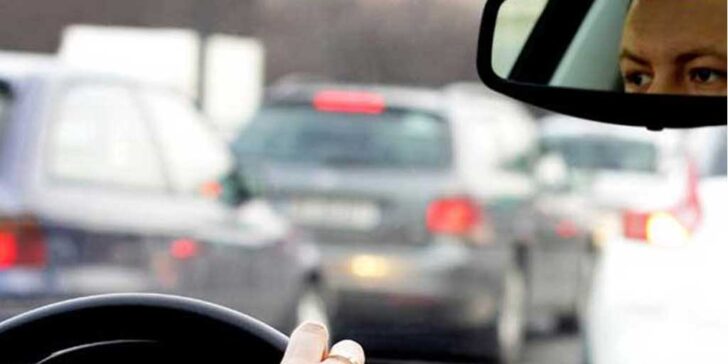
Cities are where people live and work, so city driving involves the added complication of having many other vehicles and pedestrians around. On a busy road, there may be traffic in every direction, cars stopping to turn, or vehicles pulling into the street from either side. City driving also often involves cars traveling in both directions on two-way streets, which requires a driver to have a 360-degree awareness of what’s happening.
Traffic is also denser in cities, and being surrounded by cars can add more pressure for a driver. New drivers may be worried about messing up a turn or parking endeavor, missing a sign, or embarrassing themselves on the road. But they should not let other drivers bully them into doing something unsafe or out of their comfort zone as long as their comfort zone satisfies traffic laws. The driver needs to stay aware of their surroundings and city traffic laws to make it through busy city areas safely.
Pedestrian Safety
Along with the many traffic signs, lights, and other vehicles to be aware of, there is also more foot traffic in the city than in an empty lot or rural area. Pedestrians need to cross streets to get where they need to go, and they may do so legally or otherwise. You must yield to pedestrians when they cross at crosswalks and intersections since they are more vulnerable than someone in a car. It is the responsibility of the driver to be attentive and careful.
By law, a driver must exercise due care to avoid colliding with any pedestrian, even when the pedestrian must yield.
Pedestrians must cooperate with drivers to ensure everyone’s safety. It is the pedestrian’s responsibility not to do anything that may put them in danger or otherwise panic a driver.
Just as a pedestrian should never assume a driver sees them, the driver can never assume that the pedestrian sees their car unless they make eye contact. Pedestrians should make themselves aware of traffic and make eye contact with drivers to ensure the driver sees them before heading into the street. The most significant risk for pedestrians is at night or during low visibility, especially when wearing dark clothing. It is never safe for a pedestrian to assume drivers can see them.
Learn the Rules of the Road and Follow Them
While city driving rules and traffic regulations make driving more complex and require more thinking, they exist to keep everyone safe. All collisions are preventable if drivers cooperate and follow the rules, lights, and signs.
Your state driver’s manual or driver’s handbook is an excellent source of information on rules and safe driving techniques. By combining a study of the manual with our online DMV practice tests, you can make sure you have the knowledge you need to be a safe driver.
Stay Attentive and Aware
Drivers must also stay attentive and aware of their surroundings, yielding to the right of way of other vehicles and pedestrians. If all road users limit distractions and stay alert while on busy streets, they can lower the risks in traffic.
City driving is less intimidating to the driver with confidence in driver safety knowledge. Educate yourself. When driving in the city, don’t be in a hurry, be aware of other drivers and pedestrians, stop when you’re supposed to stop, yield when you’re supposed to yield, make safe lane changes, and all will be well.


| Alabama |
| Alaska |
| Arizona |
| Arkansas |
| California |
| Colorado |
| Connecticut |
| Delaware |
| District of Columbia |
| Florida |
| Georgia |
| Hawaii |
| Idaho |
| Illinois |
| Indiana |
| Iowa |
| Kansas |
Based on an article by: Joy R. Calderwood
Photo copyright: Ambrozinio

