
DUI Conviction if BAC is Below the Legal Limit?
Being below the Limit
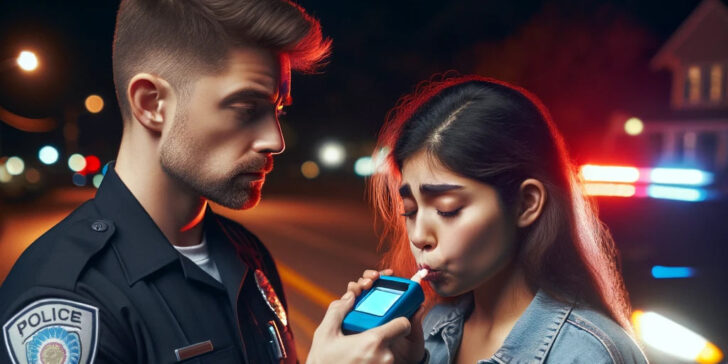
Can you be convicted of Driving Under the Influence (DUI) or Driving While Impaired (DWI) even if your Blood Alcohol Concentration (BAC) is below the legal limit?
The simple answer is: YES, you can.
Impaired driving remains a critical problem on our highways. A common misconception is that a person can only be convicted of drunk driving if their BAC exceeds the legal limit. It’s essential to understand that a court can sentence you even if the BAC is below the limit or without a BAC measurement.
What is the Legal Limit?
Every state has established a legal limit for alcohol in your system. If your blood alcohol content rises above it, the law automatically presumes you are too impaired to be driving. A prosecutor doesn’t need to present any additional evidence of impairment besides your BAC level.
The legal limit in most states is 0.08% for anyone 21 years or older.
In December 2018, Utah became the first state to lower the legal limit from .08% to .05% [Read more ].
States may also have different levels for different violations. In New York, as an example, a BAC of more than .05 percent is legal evidence that you are impaired, a BAC of .08 percent or higher is proof of intoxication, and with a BAC of .18 percent or more, a New York court will convict you of aggravated driving while intoxicated [Read more about New York drunk driving laws ].

Zero Tolerance Laws
In addition, every state has Zero Tolerance laws, establishing a lower limit for teenagers under the legal drinking age. They are typically prohibited from driving with a BAC of 0.01% or 0.02%, even if some state laws define the zero limit as 0.00%.
Most states also define low levels for drivers of commercial vehicles and school buses.
Why the BAC Result isn’t Always Enough
Even a small amount of alcohol affects the driving abilities of most drivers. Therefore, you may be an unsafe driver even if your BAC is below legal limits.
It is especially true if you have mixed alcohol with any drugs, even over-the-counter medications, or have any health problems. Drugs often multiply the effects of alcohol.
You should be aware that alcohol is a depressant – not a stimulant, which means that alcohol slows down your reactions and mental abilities. You will have trouble thinking clearly and making rational decisions.
If you mix alcohol with other depressant drugs, the effects can be dangerous. It can cause you to get drunk or intoxicated much faster than from alcohol alone.

How Officers Prove Impairment
Law enforcement officers assess impairment through various observations and tests.
Field Sobriety Tests (FSTs) evaluate balance, coordination, and the ability to perform tasks simultaneously – abilities often impaired by alcohol or drugs.
Common FSTs include:
- Horizontal Gaze Nystagmus (HGN) Test: This involves following an object with the eyes to spot the involuntary jerking of the eye, which can be a sign of alcohol consumption.
- Walk-and-Turn Test: This assesses balance and ability to follow instructions. The driver must walk in a straight line, turn, and walk back.
- One-Leg Stand Test: The driver must stand with one foot approximately six inches off the ground and count aloud until instructed to put the foot down.
Failing these tests can lead to a DUI charge, even without a BAC measurement.
Signs of Impairment
Some common signs of impaired driving include:
- Erratic or inconsistent driving patterns, such as swerving or abrupt stopping.
- Slow response to traffic signals or failing to obey road signs.
- Failing to stop when directed.
- Incoherent or slurred speech during a traffic stop.
- The smell of alcohol in the vehicle or the driver’s breath.
These telltales, combined with the results of FSTs, can lead to a DUI arrest.
Conclusion
Any amount of alcohol or drugs in your body can impair driving and result in legal consequences. This knowledge is vital for encouraging responsible driving behaviors and ensuring road safety for everyone.
Read More
- DWI Detection and Standardized Field Sobriety Test (SFST) Resources
- What is Blood Alcohol Concentration (BAC) – How Does it Work?
- Implied Consent – What Does It Mean?
- NHTSA – Drunk Driving Statistics
- What Should You Do at a Traffic Stop by the Police?


Practice Test Questions
| Alabama |
| Alaska |
| Arizona |
| Arkansas |
| California |
| Colorado |
| Connecticut |
| Delaware |
| District of Columbia |
| Florida |
| Georgia |
| Hawaii |
| Idaho |
| Illinois |
| Indiana |
| Iowa |
| Kansas |


Dear Jodie
Thanks for your reply.
I neither take any drugs, medications, nor do I drink…….aged 78…….so am doing well so far.
Thanks for your answer, as I looked and didn’t find that info in the book.
Thanks also for the sample tests, as they show, even after studying, what information hadn’t been absorbed.
Helen