
Crashes Related to Drowsy Driving
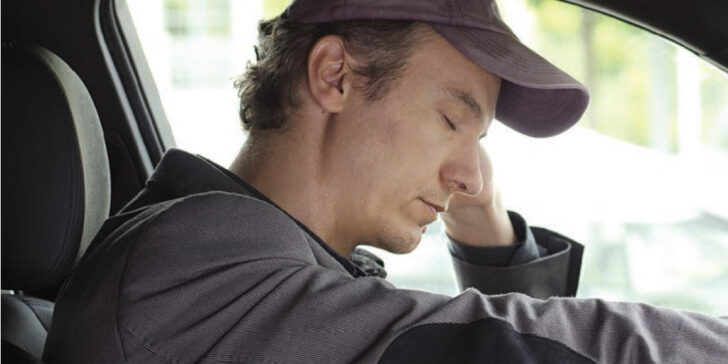
Drowsy Driving Crash Characteristics
The typical crash related to sleepiness has the following characteristics:
- The problem occurs most frequently late at night, early morning, or late afternoon.
- The crash is likely severe.
- It involves a single vehicle running off the roadway.
- The crash occurs on a rural road or highway.
- The driver doesn’t take evasive action or attempt to avoid a crash.
- The driver is alone in the vehicle.
Severe Crashes
Crashes often have a severe outcome.
In 2021, approximately 684 people lost their lives due to drowsy driving. It was 1.6 percent of total fatalities in 2021. It represents an 8.2-percent increase from 632 in 2020.
Population Groups at Highest Risk
The following three groups are at highest risk:
- Young people (ages 16 to 24), especially males.
- Shift workers with irregular sleep patterns due to working at night or long or inconsistent hours.
- People with untreated sleep apnea syndrome (SAS) and narcolepsy.
- Impaired drivers.
AAA Foundation for Traffic Safety found that young drivers up to 24 years old were nearly twice as likely to be drowsy at the time of their crash as drivers aged 40-59.
The data comes from crash reports and self-reports of sleep behavior and driving performance.
Drowsy Driving Can be Avoided
All drivers should know that drowsy driving is a controllable behavior. It can be prevented and avoided.
Drowsy driving is risky since it may lead to severe accidents, including a fatality, so you should know how to prevent drowsy driving.
Know When You Are Fit to Drive
Don’t get behind the wheel if you are:
- Affected by alcohol or drugs: Alcohol and many drugs slow your actions and affect your vision, making you more prone to drowsy driving.
- Sleep-deprived: Drowsiness can occur from missing one night’s sleep or accumulated sleep debt (typically <6 hours a night) across multiple nights.
Avoid driving between midnight and 6 a.m. when you usually sleep. You are less alert at night.
Know the symptoms of drowsy driving. As soon as you feel sleepy, stop driving.
Strategies While on a Long Trip
- Keep your eyes moving and concentrate on driving.
- Know the dangers of highway hypnosis and carbon monoxide poisoning.
- Get plenty of fresh air.
- Drink coffee or other caffeinated beverages for a temporary boost.
- Take a break every two hours or 100 miles.
The last suggestion often appear as a question on various DMV tests.
Read More


Practice Test Questions
| Alabama |
| Alaska |
| Arizona |
| Arkansas |
| California |
| Colorado |
| Connecticut |
| Delaware |
| District of Columbia |
| Florida |
| Georgia |
| Hawaii |
| Idaho |
| Illinois |
| Indiana |
| Iowa |
| Kansas |

