
Carbon Monoxide Poisoning: Facts, Symptoms, and Myths
Poisonous, Tasteless, Colorless, and Odorless Gas
Carbon monoxide (CO) is a poisonous, tasteless, colorless, and odorless gas. Formation occurs when carbon-based fuels, such as wood, propane, natural gas, oil, and kerosene, burn incompletely. If inhaled, it combines with the blood, forming carboxyhemoglobin, which reduces the oxygen-carrying capacity of the blood and can quickly cause illness or death.
Knowing more about carbon monoxide can save your life.
Remember, Carbon Monoxide Poisoning is Extremely Dangerous
According to the Centers for Disease Control and Prevention (CDC), unintentional CO exposure accounts for an estimated 15,000 emergency department visits and 500 accidental deaths in the United States each year.
Do You Know the Symptoms?
Do you know the symptoms of carbon monoxide poisoning? And if someone shows signs of poisoning, do you know what to do?
You should also know how to identify, remedy, and prevent dangerous CO-poisoning situations.
The symptoms of CO poisoning include nausea, headache, vomiting, drowsiness, weakness, chest pain, difficulty breathing, and confusion. You sometimes dismiss these symptoms as the flu, but anyone experiencing these indications should immediately consider carbon monoxide the culprit. If the levels are high, death can occur within minutes.
If you or someone you are with displays signs of carbon monoxide poisoning, get into fresh air immediately and call for emergency medical help. Try to be ready to answer questions, such as the suspected cause of poisoning, symptoms, and signs of impairment.
Carbon Monoxide and Your Vehicle
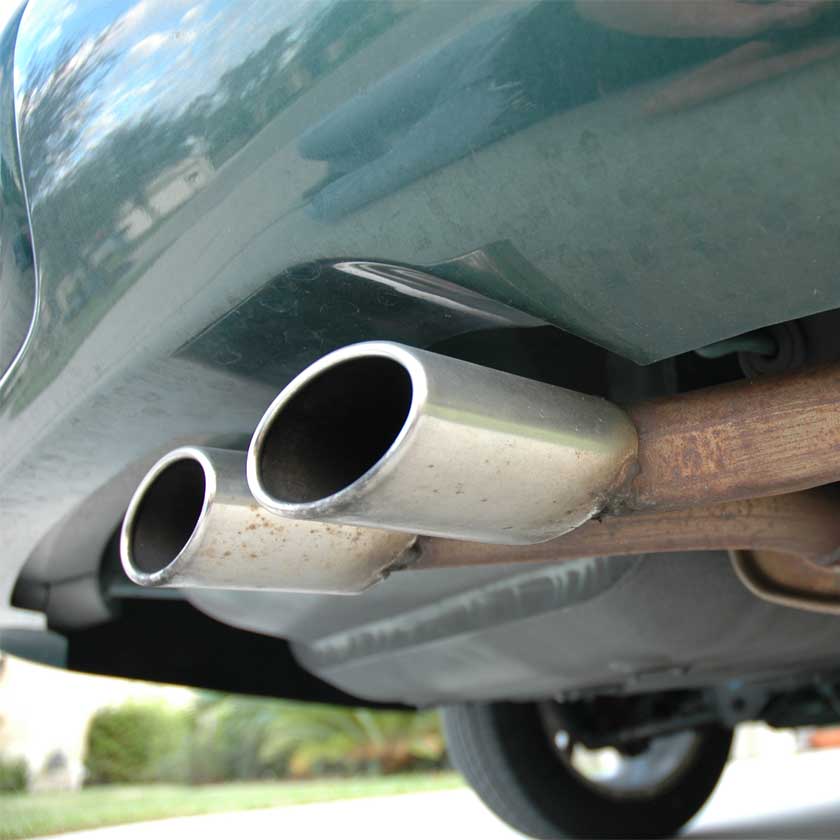
Carbon monoxide is an ever-present danger in your vehicle. Leaky exhaust systems are a common cause since they allow the gas to enter through a hole in the floor, an open window, or a leaky door seal. Regular inspection and maintenance of your vehicle are crucial. Driving an SUV or station wagon with the tailgate or hatch open can draw CO into the car; ensure proper ventilation through windows and vents if you must operate your vehicle in this manner.
Leave the window partially open when starting the engine, driving the vehicle, or idling the engine while parked. Never keep the engine running when parked in your garage.
The Myths
There is a myth that carbon monoxide is heavier than air. Carbon monoxide is slightly lighter than air and diffuses evenly throughout a room. Another common misconception is that you will smell it before it causes harm. While you may be able to smell gas, such as propane, or smoke from a wood stove or furnace, you cannot smell carbon monoxide.
Are Your Home, Cottage, Camper, and Vehicle Safe?
A large number of appliances create carbon monoxide. Included are wood, propane, and gas fireplaces; combustion engines in vehicles; small engines such as those in lawnmowers and leaf blowers; gas and charcoal barbecues; gas kitchen ranges and water heaters; oil and gas furnaces and boilers; and portable camp stoves and lanterns.
Carbon monoxide poisoning occurs due to many possible conditions. A leaking combustion chamber in a forced-air furnace could circulate carbon monoxide through your house via the warm air vents in each room. Faulty or blocked combustion appliance vents and chimneys are dangerous. Poorly adjusted gas kitchen ranges, refrigerators, and clothes dryers produce CO. An open or leaky door to an attached garage can allow exhaust from an idling vehicle to seep into your home.
During power outages, people have died while barbecuing in enclosed areas. Running a vehicle or generator in a closed garage or basement can be deadly. Operating a generator outdoors close to a window or door can result in carbon monoxide entering your home. Cooking with a portable gas stove or using a gas lantern in your home, cabin, tent, or camper is another source of CO poisoning.
Consider every piece of combustion equipment inside and outside your home, cottage, and camper as a source of poisonous carbon monoxide. Proper inspection and maintenance are necessary to ensure your safety. Have your equipment regularly serviced by a certified technician and clean your chimneys. Another option is replacing your existing combustion equipment with non-combustion devices, such as heat pumps, electric fireplaces, kitchen ranges, and refrigerators.
Carbon Monoxide Detectors
The installation of carbon monoxide detectors is an essential step to prevent poisoning. According to the guidelines of the National Fire Protection Association (NFPA 720, 2005 edition), all CO alarms “shall be centrally located outside of each separate sleeping area in the immediate vicinity of the bedrooms.” Each alarm “shall be located on the wall, ceiling or other location as specified in the installation instructions accompanying the unit.” Be sure to replace batteries regularly, ideally every six months.
Remember that many unnecessary deaths occur each year due to carbon monoxide poisoning. Be safe! Install carbon monoxide detectors in your home, workshop, garage, cabin, and camper. Have your heating equipment and other combustion devices and appliances checked regularly by a qualified technician.
Take your vehicle to a mechanic regularly to check for exhaust leaks. Consider replacing your oil, wood, and gas heating equipment with a heat pump. Think about replacing all other carbon-monoxide-producing equipment with electric units, such as gas refrigerators, kitchen ranges, and clothes dryers.
You can avoid a potentially deadly mishap with close attention and minimal effort.

Keep your Kids and Pets Safe
You should keep your vehicle locked at all times. Keep keys and remote openers out of reach of children. Kids may be tempted to get into cars to play or hide.
Never leave children or pets inside a vehicle with the engine running while you care for something else, like loading baggage or clearing snow or ice off the car. Don’t even think about leaving your vehicle with the motor running; it is illegal. Know what the laws say about standing and leaving the engine running in your state.
Remember, you should never leave a child alone in a vehicle, not even for a minute.
More tips on carbon monoxide poisoning from KidsAndCars.org


Driver’s License Tests for Your State
| Alabama |
| Alaska |
| Arizona |
| Arkansas |
| California |
| Colorado |
| Connecticut |
| Delaware |
| District of Columbia |
| Florida |
| Georgia |
| Hawaii |
| Idaho |
| Illinois |
| Indiana |
| Iowa |
| Kansas |

