
What are Squeeze-Play Crashes?
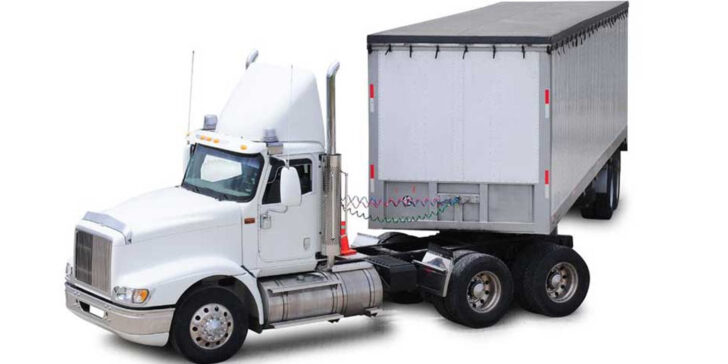
Why Large Vehicles Make Wide Turns
When a vehicle makes a turn, the rear wheels will follow a shorter path than the front wheels. The longer the vehicle, the greater the difference.
When turning, drivers of large vehicles typically need to move to the left and swing into other lanes of traffic before making a right-hand turn.
What are Squeeze-Play Crashes?
A squeeze-play crash typically occurs when a large vehicle, like a truck or bus, initially move left to negotiate a corner. The move creates a temporary gap or space on the inside of the right turn.
In a squeeze-play crash, another vehicle attempt to use this temporary space to pass or overtake the large vehicle on the inside. As the large vehicle continues its turn, the space closes, potentially trapping or squeezing the smaller vehicle between the turning vehicle and the curb or another object.
These types of accidents are occur more often in urban environments where streets are narrower and large vehicles need more room to maneuver.
The key to avoiding such accidents is to watch the truck’s turn signals. If a truck swings to the left before a turn, it may look like a late attempt to change lanes or turn left, but the turn signal will show it is preparing for a right turn.
Without being aware of the turn signal, a car driver following behind the truck may not understand the truck driver’s intention to make a right turn and may try to pass on the truck’s right-hand side. The truck driver is usually unable to see the car because of the severe blind spot large vehicles have on the right side and may cut off and squeeze the car between the trailer and the curb
Accidents when a large vehicle swings wide before turn and create a temporary gap on the inside of the turn in which another vehicle tries to use for passing.are known as squeeze-play crashes.
Left-Hand Blind Spot
Even if you drive in a left-hand lane beside a truck before a turn, you are at risk. The truck driver might not see you if you are in a left-hand blind spot, and may hit from the side when moving into your lane.
Always stay back if you believe that the truck driver wants to turn.
How to Pass Safely
Avoid passing large vehicles on their right-hand side, especially close to intersections.
Always try to pass on the left. Complete your pass without lingering in the trucker’s blind spot and always make sure you don’t move into the open space in front of a truck too soon. You should see the front of the truck in your rear-view mirror before you move back.
Remember This for Your DMV Test
For your final DMV test you must make sure you understand what no-zones are. In Spanish they are called Zonas Muertas.
You should also read these other valuable tips about sharing the road with trucks .
You must also understand that large vehicles are much more challenging to maneuver. The need more room and longer stopping distances.
Read More
- Defensive Driving Techniques to Avoid Truck Accidents
- 5 Tips and Test Answers about Trucks for Your Permit Exam




State Practice Test Questions
| Alabama |
| Alaska |
| Arizona |
| Arkansas |
| California |
| Colorado |
| Connecticut |
| Delaware |
| District of Columbia |
| Florida |
| Georgia |
| Hawaii |
| Idaho |
| Illinois |
| Indiana |
| Iowa |
| Kansas |

