
Why Night Driving Is So Dangerous – DMV Answers
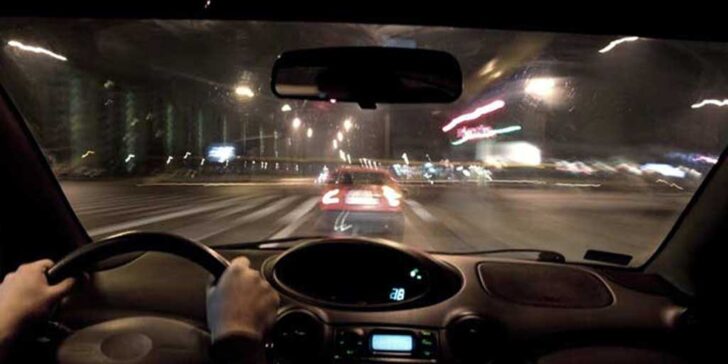
Night Driving is More Dangerous than Driving in Daylight
Driving at night is more dangerous than driving in daylight because you cannot see as far ahead. Fatigue or drowsy driving is also more common at night.
More accidents happen at night than during the day.
Make sure you know and understand the risk factors involved in night driving. Driving at night is more of a challenge than many people think.
Poor Visibility at Night
There is lower visibility at night. With lower visibility, you lose many reference points, making it difficult to judge distances. Watch carefully for traffic signs, pedestrians, bicycles, animals, and slow-moving vehicles. All of them are more difficult to see at night.
Your peripheral vision is also worse at night, and the lack of light makes it more challenging to focus on objects. Your eyes take longer to adjust.
Your eyes also get tired sooner. Eye fatigue is more common when driving at night.
Glare from Oncoming Vehicles
Glare from oncoming vehicles and street lights also create problems for many drivers.
Streetlights’ varying intensities and colors can also cause visual discomfort and distraction.
The older we get, the harder it is to see at night. According to the National Safety Council (NSC), a 50-year-old driver may need twice as much light to see as well as the average 30-year-old.
Fatigue and Drowsy Driving
Nighttime is naturally associated with sleep, and the body’s rhythms typically make drivers feel more tired at night. Fatigue reduces a driver’s reaction time, alertness, and concentration. It is especially true for people who have been awake for extended periods or who are driving at times when they would normally be asleep.
Drowsy driving puts everyone on the road at risk.
Higher Accident Rates
Statistics show that the rate of accidents is higher at night.
The reasons behind the higher accident risk are the ones mentioned above, as well as the increased likelihood of encountering drivers under the influence of alcohol or drugs.
As we all know, impaired driving means a significantly higher risk of accidents. NSC analysis of NHTSA data shows that fatal crashes peak on Saturday nights
Night driving safety tips
- Before driving at night, ensure your headlights and brake lights are in proper working order. Keep windows clean.
- Turn on your headlights early and before it gets dark. Never use parking lights instead of headlights.
- Allow yourself more safety margins at night. Expect the unexpected.
- Slow down. Always make sure you can stop within the distance you can see ahead. Never overdrive your headlights.
- Increase your following distance.
- When approaching another vehicle from the rear, keep your headlights on low beams.
- When approaching an oncoming vehicle, keep your headlights on low beams.
- Avoid glare from oncoming vehicles by watching the right edge of your lane or the road. Use the edge as a steering guide.
- If you feel tired, stop and take a break.

Quick Knowledge Questions about Night Driving
Results
Well done!
You probably need to study some more?


#1. Night driving is more dangerous than driving in the daytime because:
Driving at night is more dangerous than driving in daylight because you cannot see as far ahead at night.
#2. When driving at night, you should:
Night driving is more dangerous than daytime driving. Vehicles, pedestrians, and obstacles can be harder to see. Always be extra careful at night and use more safety margins. Drive slower at night. Keep a speed that will let you react and stop safely within the distance you can see ahead. Keep more space between your vehicle and other vehicles. Keep inside lights off.
#3. When driving at night, you should make sure you can stop:
Always make sure you can stop within the distance you can see ahead. Never overdrive your headlights.
#4. To avoid glare from the headlights of an oncoming car at night, you should:
To reduce the effects of glare from oncoming headlights, do not look straight at headlights. Watch the lower right side of your lane or the road edge.
#5. When approaching another vehicle from the rear, you should:
You must dim your high-beam headlights and use low beams when you approach an oncoming vehicle or when you come close to a vehicle traveling ahead of you.
#6. When approaching an oncoming vehicle, you should:
You must dim your high-beam headlights and use low beams when you approach an oncoming vehicle or when you come close to a vehicle traveling ahead of you.
#7. Driving at night with parking lights instead of headlights:
Never use parking lights instead of your headlamps. It is dangerous and illegal.
#8. If you feel tired when driving at night, it is best to:
If you feel tired when driving at night, it is best to stp and take a break.
Learn More about Night Driving
When should you turn on headlights: Is It Before or after Sunset?
When Should You Use Low Beam Headlights?
When Should You Use High Beam Headlights?
Driving Alone At Night: Personal Safety Issues


Want More DMV Test Questions and Answers?
There are unlimited practice tests for your state’s knowledge exam at driversprep.com. Most come with 500+ questions and answers. They are designed specifically for your state and based on the latest driver’s manual.
| Alabama |
| Alaska |
| Arizona |
| Arkansas |
| California |
| Colorado |
| Connecticut |
| Delaware |
| District of Columbia |
| Florida |
| Georgia |
| Hawaii |
| Idaho |
| Illinois |
| Indiana |
| Iowa |
| Kansas |

